What to Check and Fix Right After a Big Storm
Pond maintenance after heavy rainfall should start as soon as the storm passes. Check the water level, clear debris, test the water, and inspect your pump and overflow area. Heavy rain can upset water balance, clog filters, and wash dirt into the pond. Acting fast helps protect fish, plants, and equipment from long-term damage.
Why Prevention Matters After Every Storm
Rain may seem harmless, but a strong storm can change your pond in a few hours. Runoff carries soil, fertilizer, and yard waste into the water. This can lower oxygen levels and raise ammonia. Fish may gasp near the surface. Water may turn brown or green.
Regular pond maintenance after storms keeps small problems from turning into fish loss or pump failure. A quick response can save time and money later.
Early Warning Signs to Watch For
Walk around your pond once the rain stops. Look and listen. Your pond will often show signs that something is off.
- Cloudy or muddy water
- Floating leaves and branches
- Fish swimming near the top
- Strong or sour smells
- Water level much higher than normal
- Pump making odd noises
If you notice one or more of these signs, your pond maintenance plan should begin right away.
Post-Storm Checklist for Pond Maintenance
Use this simple checklist after heavy rainfall. These steps help restore balance and protect your system.
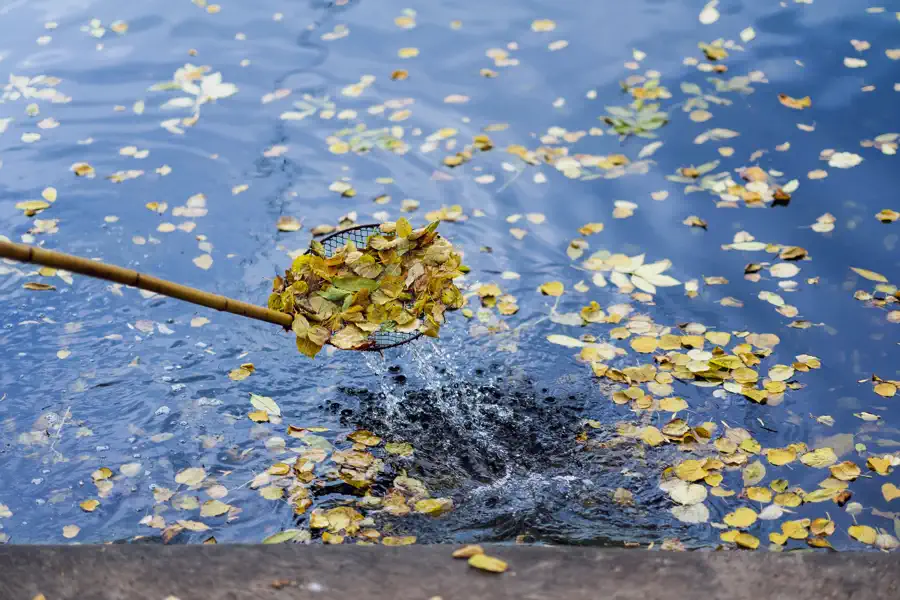
- Remove large debris with a net.
- Check the skimmer and empty the basket.
- Inspect the pump and filter for clogs.
- Test water for pH, ammonia, and nitrite.
- Top off beneficial bacteria if needed.
- Look at the overflow area for erosion.
- Trim damaged plants and remove dead leaves.
These steps support your full pond maintenance routine and help your system recover faster.
Best Practices for Long-Term Results
Storms will happen. Planning ahead makes each one easier to handle. Good pond maintenance includes small upgrades that protect your water year-round.
- Add gravel or plants around the edge to reduce runoff.
- Install a proper overflow drain.
- Keep gutters aimed away from the pond.
- Clean filters on a regular schedule.
- Avoid overfeeding fish before forecasted storms.
If your pond is part of a larger water feature installation, make sure all connected streams and waterfalls are clear. Blocked water flow can strain your pump after heavy rain.
What Not to Do After Heavy Rainfall
It is easy to overreact when water looks dirty. Avoid draining the entire pond right away. Sudden water changes can stress or kill fish.
Do not add random chemicals without testing the water first. Guessing can make the problem worse. Also avoid spraying nearby weeds with chemicals just after rain. Runoff can carry those products straight into the pond.
Stay calm and follow a steady pond maintenance process instead of making fast changes.
When to Schedule Professional Help
Some storm damage goes beyond basic care. Call for help if you see:
- Dead or dying fish
- Severe bank erosion
- Pump not turning on
- Major leaks or falling water levels
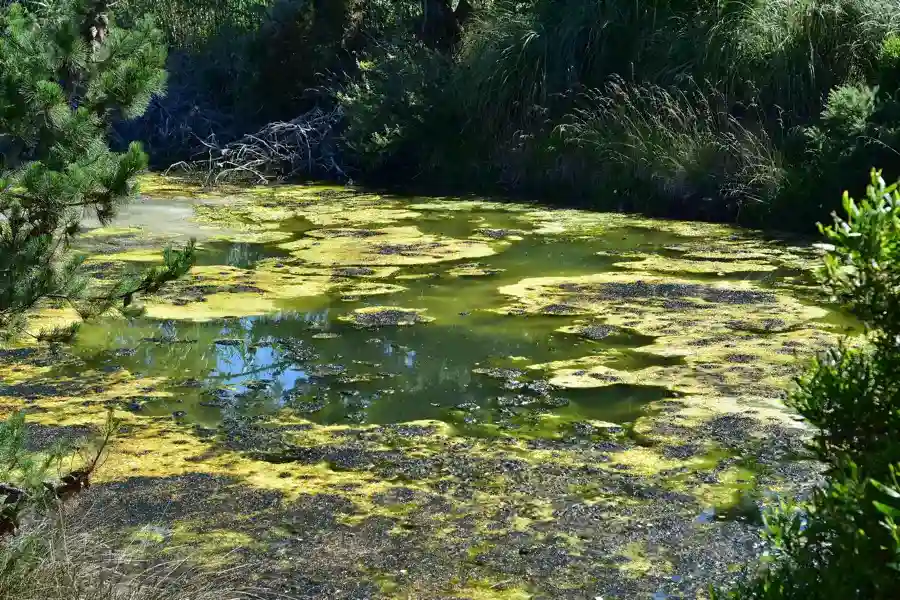
- Thick algae blooms within days of rain
A professional can inspect the full system, flush the filters, and reset your pond maintenance plan. They can also suggest upgrades to help prevent the same issue next time.
Get Reliable Help for Your Pond
If your pond in Richland Hills, TX needs attention after a heavy storm, we are ready to help. At Aqua Gardens Plus, we handle routine pond maintenance, storm recovery cleanups, and system inspections for long-term health. Call us at (817) 975-8697 to schedule service or ask questions about protecting your water feature year-round. We will work with you to keep your pond clean, balanced, and safe after every rainfall.