How to Add a Relaxing Water Feature Without Crowding Your Yard
Water feature installation for small backyard spaces is all about smart planning and simple design. You do not need a large yard to enjoy the sound of moving water. With the right layout and the right size feature, even a compact space can feel calm and inviting. The key is to match the feature to your yard’s size and keep the layout open and easy to walk through.
What You Need Before Starting
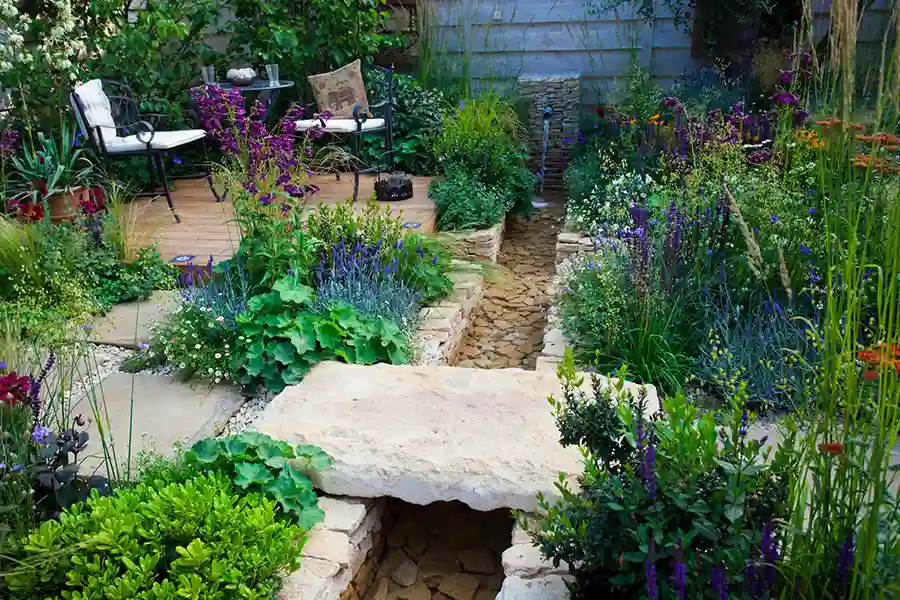
Before you begin any water feature installation project, take a close look at your yard. Measure the open area. Think about how you use the space now. Do kids play there? Do you host cookouts? You want the feature to add to the yard, not get in the way.
You will also need:
- A nearby power source for the pump
- Level ground or a plan to level it
- Proper drainage away from your home’s foundation
- Access to water for filling and refilling
- Approval from your HOA if required
If you are working with a landscaping and outdoor design team, they can help map this out. Planning first saves time and money later.
Step-by-Step Process for Small Yard Success
Small yards need simple steps and careful placement. Here is a basic outline of how water feature installation works in tight spaces:
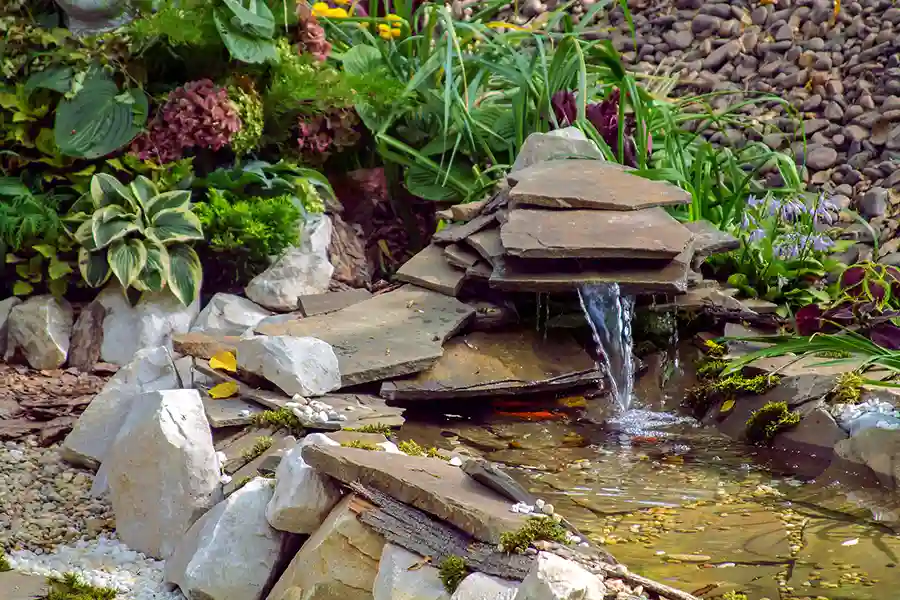
- Choose the right type of feature, such as a bubbling fountain, wall fountain, or small pondless waterfall.
- Pick a focal point. Corners or fence lines work well.
- Mark utilities before digging.
- Level the base and add a solid foundation.
- Install the basin, pump, and plumbing.
- Add stone, gravel, or decorative elements.
- Fill with water and test the pump.
Pondless features are popular for small yards. They recirculate water through a hidden basin. There is no open pond, which makes them safer for kids and pets. They also take up less room.
Common Mistakes to Avoid
One common mistake is choosing a feature that is too large. Big waterfalls may look nice online, but they can crowd a small yard. Keep the scale in proportion to the space.
Another mistake is poor placement. Do not block walkways or gates. Leave enough space to mow and trim around the feature. Also avoid placing it too close to your house. Splashing water can damage siding over time.
Some homeowners skip drainage planning. Heavy rain can cause overflow if there is no proper runoff area. Make sure excess water has somewhere safe to go.
When to Call a Professional
Simple fountains can be installed as a DIY project. But more complex water feature installation often needs expert help. If you are running new electrical lines, digging deep basins, or working on uneven ground, a professional can help prevent costly problems.
A team can also help design around tight spaces. In many small backyards, every foot matters. An experienced crew knows how to shape the layout so the feature feels natural instead of squeezed in.
If you live in Richland Hills, TX, soil type and local codes may affect your project. Some areas require permits for electrical work or water use. A local expert can guide you through these steps.
Final Recommendation and Next Steps
Adding a compact fountain or waterfall can change how your whole yard feels. It brings sound, movement, and a sense of calm. The most important step is planning for size and placement before any digging begins.
If you are thinking about water feature installation and want it done right, our team at Aqua Gardens Plus is ready to help. We design and build custom features that fit your yard and your style. We proudly serve homeowners throughout Richland Hills, TX. Call us at (817) 975-8697 to schedule a consultation and let us help you create a backyard space you will enjoy for years.